Ways to Personalize Memorial Services with Family Stories
Learn how photographs, cherished memories, personal traditions, and storytelling help loved ones celebrate a life together.
Every family has stories that deserve to be remembered. Some are filled with laughter, while others capture quiet moments of kindness, family traditions, or lessons passed from one generation to the next. When planning a memorial, these memories can help create a tribute that feels genuinely personal. Families considering funeral homes Plymouth, MI often want a service that reflects more than important dates and accomplishments. They want to remember the personality, relationships, and everyday moments that made their loved one special.
At Schrader-Howell Funeral Home, we understand how meaningful it can be to bring family stories into a memorial service. A favorite childhood memory, familiar expression, or treasured family tradition can help loved ones feel connected while honoring someone who mattered deeply. We believe thoughtful personalization should reflect the individual's life and the family's wishes, rather than follow a predetermined formula. By choosing memories that feel authentic, families can create a gathering that encourages reflection, conversation, and lasting remembrance.
Why Do Family Stories Make Memorial Services More Meaningful?
Family stories make memorial services more meaningful because they reveal the personality, values, and relationships behind a person's life. Rather than focusing only on biographical details, storytelling helps guests remember how someone influenced the people around them.
A meaningful story does not need to describe an extraordinary accomplishment. Sometimes, the smallest memories communicate the most.
Remembering the Everyday Moments
Families may initially think about major milestones such as graduations, marriages, careers, and important achievements. These experiences matter, but everyday moments often reveal a person's character more clearly.
A grandfather who always prepared breakfast for visiting grandchildren, a mother who remembered every birthday, or a friend who never missed an opportunity to help someone can leave lasting impressions.
We encourage families to consider memories that reveal:
- Favorite sayings, expressions, or habits.
- Acts of kindness and generosity.
- Family celebrations and cherished routines.
- Personal interests and hobbies.
- Lessons that influenced younger generations.
These details help create a tribute that feels familiar to those who knew the person best.
Connecting Different Generations Through Memories
A memorial service may bring together people who knew someone during very different stages of life.
Childhood friends might remember youthful adventures, while grandchildren recall holiday gatherings or special conversations. Each perspective contributes something valuable.
When these memories are shared, younger relatives may gain a deeper understanding of their family's history. Older generations may appreciate hearing how familiar traditions continue to influence others.
We believe this exchange can make remembrance especially meaningful because it preserves stories that might otherwise be forgotten.
How Can Families Collect Meaningful Stories Before a Memorial?
Families can collect meaningful stories by inviting relatives and friends to share memories, photographs, and personal reflections before the service. A few thoughtful questions can help people recall experiences they might not otherwise mention.
The process does not need to be complicated. A conversation, phone call, or written message may provide enough material for a personal tribute.
Questions That Encourage Personal Memories
We recommend beginning with open-ended questions that invite genuine responses.
Consider asking relatives and friends:
- What is your favorite memory of our loved one? This encourages personal recollections rather than formal descriptions.
- What always made you smile about them? Small habits and familiar expressions often create warm memories.
- What important lesson did they teach you? These answers can highlight values passed between generations.
- Which family tradition reminds you of them? Shared customs can reveal their influence on family life.
- How would you describe their personality? Different perspectives can help create a more complete picture.
Not everyone will feel comfortable sharing immediately. We encourage families to allow time for reflection and make participation voluntary.
Choosing Stories That Reflect the Person's Character
After collecting memories, families may find they have more stories than can comfortably fit into one gathering.
Rather than including everything, we suggest selecting a few experiences that represent different parts of the person's life.
For example, one story might illustrate generosity, another might highlight humor, and a third could reflect a cherished family tradition.
We can help families consider traditional funeral service arrangements that incorporate personal readings, music, and meaningful tributes.
The goal is not to create a perfect biography. It is to honor the person in a way that feels sincere.
Creative Ways to Include Family Stories in a Memorial Service
There are many thoughtful ways to incorporate storytelling into a memorial. Families can choose simple, familiar elements or combine several approaches to create a more personal experience.
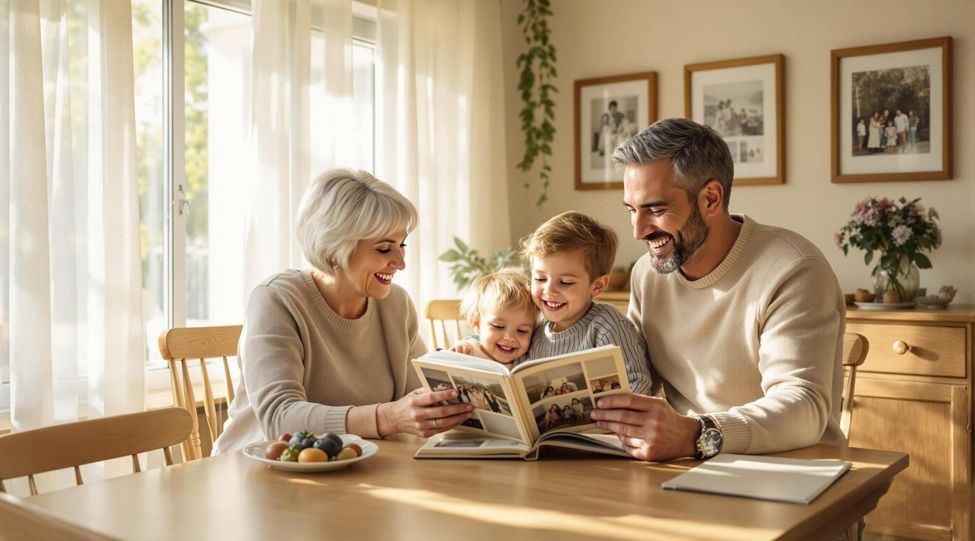
Five Storytelling Ideas for a Personal Tribute
- Create a family memory collection. Invite relatives to contribute short written stories that can be shared during the gathering or preserved afterward.
- Prepare a personal eulogy. Combine meaningful experiences, favorite expressions, and important life lessons into a thoughtful remembrance.
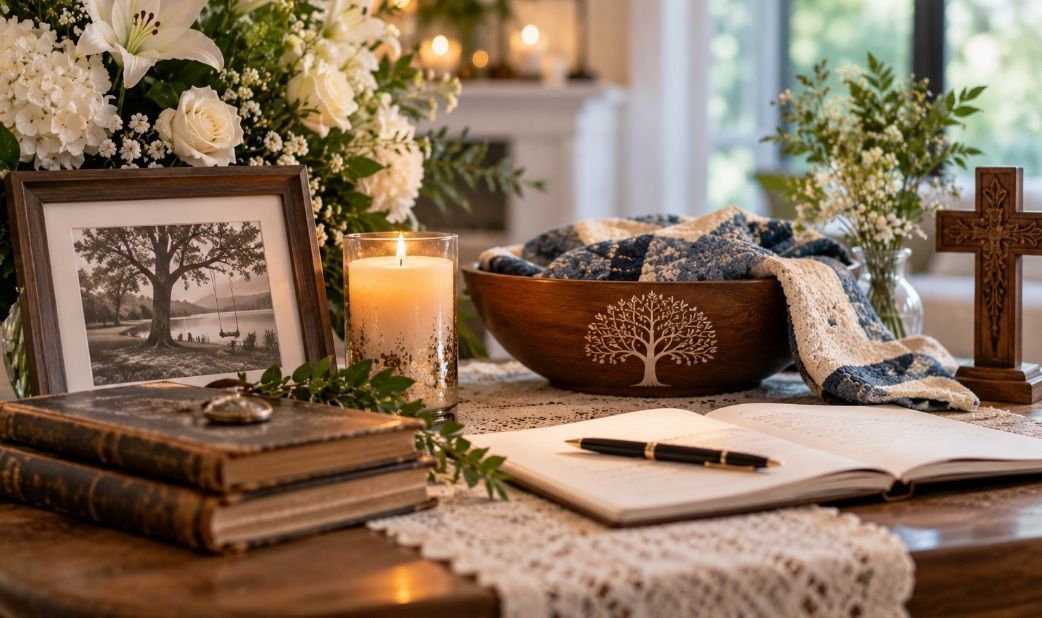
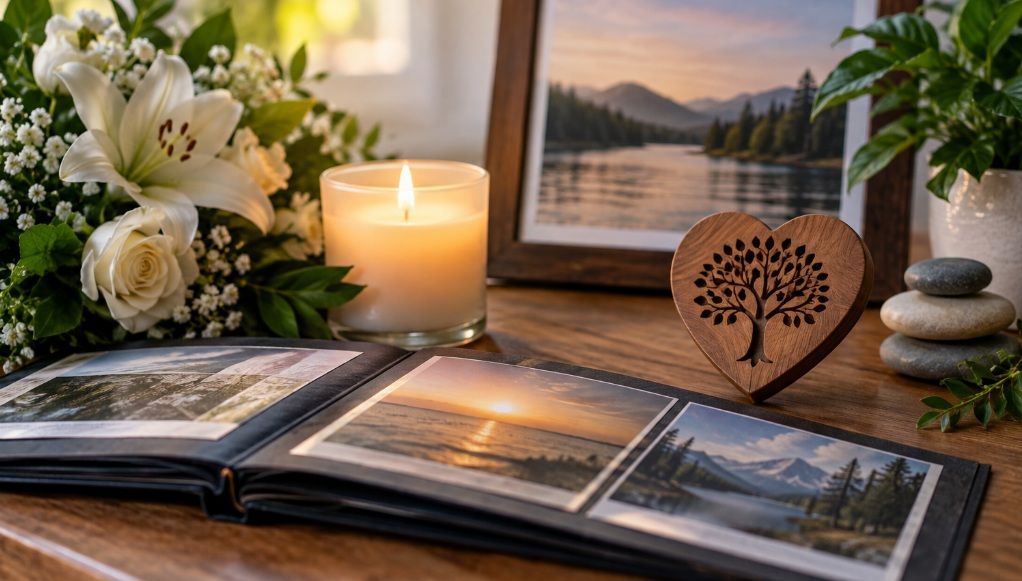
- Display photographs from different life stages. Pictures can encourage guests to recall stories and share memories with younger relatives.
- Include meaningful music. A favorite song may remind family members of a special celebration, shared experience, or family tradition.
- Invite informal storytelling. Set aside time for guests to exchange memories without the pressure of speaking before a large group.
We recommend selecting elements that fit the family's comfort level and the atmosphere they hope to create.
For additional perspective, our article about how storytelling makes funerals more meaningful discusses the role personal memories can play in honoring a loved one.
Choosing the Right Storytelling Format for Your Family
Different storytelling approaches can serve different purposes. Some work well during a formal ceremony, while others are better suited to smaller gatherings or private remembrance.
| Storytelling format | How it helps personalize a memorial |
|---|---|
| Personal eulogy | Shares meaningful experiences and values |
| Photo display | Encourages memories across generations |
| Written memory collection | Includes guests who prefer not to speak |
| Family readings | Honors meaningful words and traditions |
| Informal story sharing | Creates opportunities for conversation |
Families do not need to choose only one approach. A service might include a prepared eulogy followed by an informal gathering where guests share additional stories.
We encourage families to think about who will participate and what will make them comfortable.
A smaller memorial may allow several people to speak, while a larger gathering might benefit from a few carefully selected tributes.
How Can Families Include Children in Memorial Storytelling?
Children can participate in memorial storytelling through age-appropriate memories, drawings, photographs, and simple conversations. Their involvement should reflect their comfort level and understanding of the gathering.
Younger family members often remember details that adults overlook. A favorite game, a familiar nickname, or a special family activity may hold deep personal meaning.
Gentle Ways to Encourage Participation
We suggest offering children several choices rather than expecting them to participate in a particular way.
They might:
- Draw a picture of a favorite shared memory.
- Choose a photograph that reminds them of their loved one.
- Share a short story with a trusted adult.
- Select a meaningful song.
- Listen to family members describe cherished experiences.
Some children may prefer not to participate publicly, and that is perfectly acceptable.
We believe children should have opportunities to remember in ways that feel natural, with caregivers available to answer questions and provide reassurance.
Preserving Family Stories Beyond the Memorial
A personalized memorial can become the beginning of an ongoing effort to preserve family history.
The stories shared during a gathering may encourage relatives to record additional memories, reconnect with distant family members, or continue meaningful traditions.
Simple Ways to Keep Memories Alive
We encourage families to consider creating a lasting collection of meaningful experiences.
Some practical ideas include:
- Organizing family photographs with names and dates.
- Recording relatives as they share favorite memories.
- Creating a written collection of family stories.
- Preserving favorite recipes and traditions.
- Sharing meaningful recollections during family gatherings.
These activities can help younger generations understand their family history while allowing older relatives to contribute memories.
Families may also find comfort in continuing familiar traditions. Preparing a favorite holiday meal or revisiting a meaningful family activity can become a gentle way to remember someone.
Respecting Different Ways of Remembering
Not everyone experiences remembrance in the same way.
Some relatives may enjoy discussing family stories frequently. Others may prefer private reflection or need more time before sharing personal memories.
We encourage families to respect these differences and avoid placing expectations on how anyone should grieve.
A meaningful tribute does not require everyone to participate equally. It simply creates opportunities for connection when people feel ready.
Frequently Asked Questions About Personalizing Memorial Services
How Many Family Stories Should Be Included in a Memorial?
There is no required number. A few carefully selected stories can communicate someone's personality more effectively than a lengthy collection. Families can consider the available time, ceremony format, and comfort of those participating.
Can Family Stories Be Included in a Cremation Memorial?
Yes. Family stories can be incorporated into memorial gatherings following cremation. Personal readings, photographs, music, and shared memories can help create a meaningful tribute regardless of the type of arrangements chosen.
What If Family Members Remember Events Differently?
Different recollections are natural. Families can focus on the shared meaning of an experience rather than trying to establish one perfect version of every story. Respectful listening helps preserve the personal nature of remembrance.
Is It Appropriate to Include Humorous Stories?
Yes, when the stories are respectful and reflect the person's personality. Gentle humor can bring warmth to a memorial and remind guests of familiar moments. We recommend considering the family's preferences and the overall tone of the gathering.
Honoring a Loved One Through the Stories That Matter Most
Family stories give memorial services a personal meaning that extends beyond the ceremony itself. Through cherished memories, thoughtful readings, meaningful photographs, and familiar traditions, families can honor the relationships and experiences that shaped someone's life. For those considering funeral homes Plymouth, MI, Schrader-Howell Funeral Home provides compassionate guidance in planning a memorial that reflects your loved one's unique story. We invite you to discuss personalized memorial arrangements with our team or call (734) 453-3333 to create a respectful tribute that preserves meaningful memories for generations to come.